Jensen Huang Resigns: NVIDIA's Architect Is Gone
Jensen Huang resigned as NVIDIA CEO after 33 years. Colette Kress is interim CEO, the board seeks a successor, and shares fell 14% — what it means for AI.
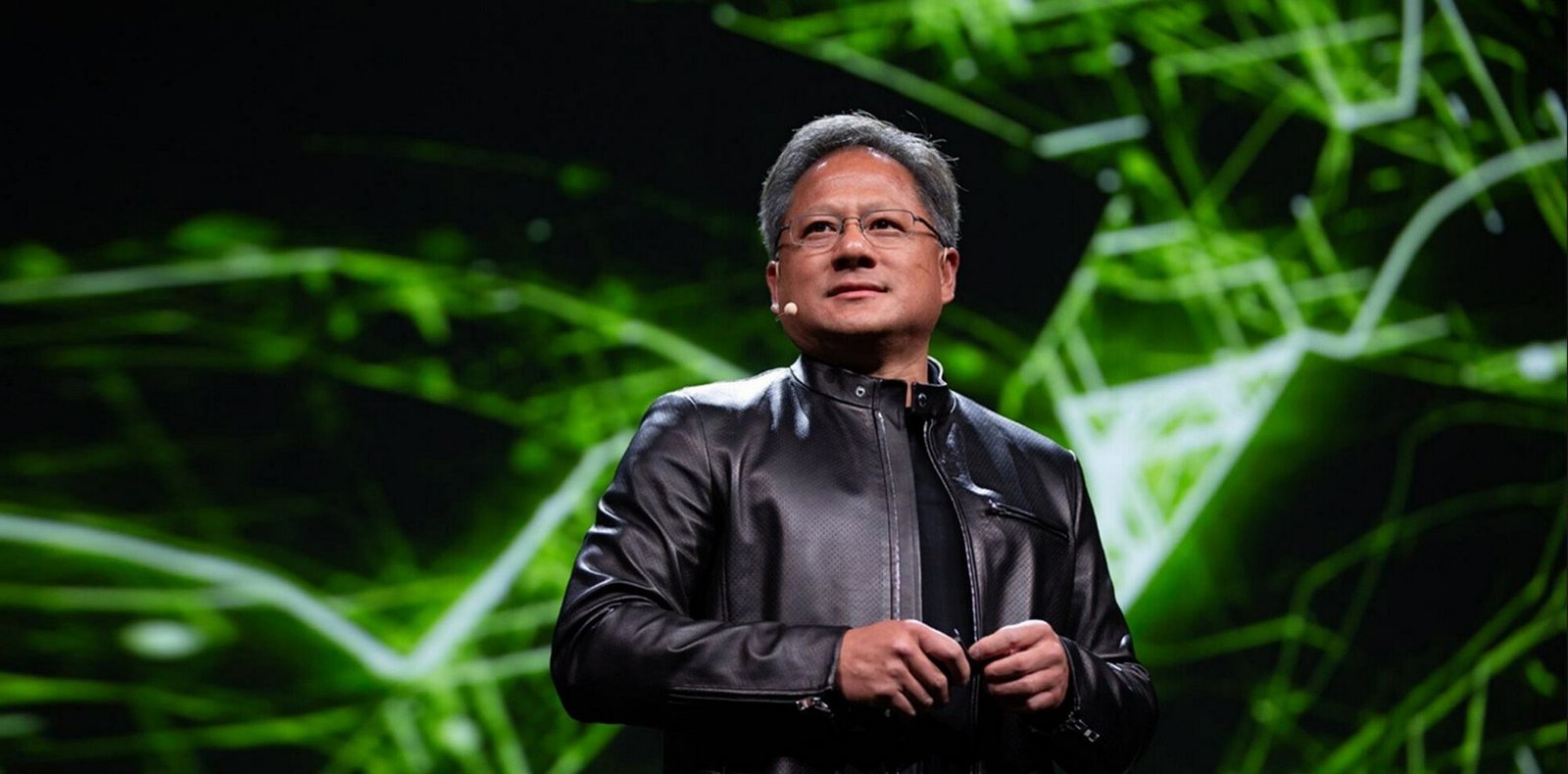
Jensen Huang resigned as NVIDIA's president, CEO and board member on November 12, 2026, ending a 33-year run at the company he co-founded. Chief financial officer Colette Kress is interim CEO while the board searches for a permanent successor. NVIDIA gave no reason for the departure — and its shares fell more than 14% at one point on the day.
Key takeaways
How did Jensen Huang's resignation unfold?
The end came fast. On Sunday, November 8, Huang admitted to being unfaithful to his wife and apologised to his family and to NVIDIA employees. The board said that day that it had confidence in his leadership — and at the same time launched an independent investigation, run by independent directors with outside legal counsel, into reports that he had been targeted by Chinese intelligence.
On Wednesday, Reuters reported that the board was meeting to consider whether to remove him, after further reports of a relationship with a senior NVIDIA executive who reported directly to him. The Wall Street Journal reported directors were preparing to remove the longtime chief executive. On Thursday, November 12, NVIDIA announced his resignation, effective immediately. He also gave up his board seat.
The board's statement thanked him for his "immeasurable contributions to the company and the industry" and said his contributions were "profound". It did not give a reason for his departure.
What is reported about Huang — and what is not proven?
The scrutiny around Huang involved reports of extramarital affairs. One reported relationship involved a Singapore-based tech executive whom US intelligence officials suspect of working for China. A second, reported by The New York Times, involved a senior NVIDIA executive who reported directly to him, raising conflict-of-interest concerns.
Three things matter here, and they are often left out of the headlines. First, there is no established evidence that Huang knowingly assisted Beijing or that company secrets were compromised. Second, NVIDIA's board has said it has no reason to believe national security was compromised. Third, the Associated Press has said it could not independently confirm the reported relationships, and the allegations have not been established as findings of wrongdoing.
The national-security angle exists because of the chip-export debate in Washington. Huang spent years campaigning against restrictions on selling advanced NVIDIA chips to China, and in December 2025 the US approved exports of the H200 chip to China — a chip about six times more powerful than the H20 previously available — subject to inspections, shipment limits, military-use restrictions and a 25% tariff. Chinese companies reportedly ordered more than two million H200 chips, potentially worth $54 billion — though those are orders, not completed sales.
Who is Colette Kress?
The person holding NVIDIA together right now is not a chip designer — she is the finance chief. Kress has been NVIDIA's chief financial officer since September 2013, and she keeps that job while serving as interim CEO. During her time as CFO, NVIDIA's annual revenue rose from $4.13 billion in fiscal 2014 to $215.9 billion in fiscal 2026.
Before NVIDIA, she held senior finance roles at Texas Instruments, Microsoft and Cisco. She holds a bachelor's degree in finance from the University of Arizona and an MBA from Southern Methodist University, and Forbes counts her among the wealthiest self-made women in the US. In a statement after her appointment, she said she was committed to building on the foundation Huang created over 33 years.
Whether she becomes permanent CEO is an open question. The board has appointed her as interim chief while it searches, and analysts have cited her experience, authority and deep relationships with Wall Street as assets for steering the company through the transition.
Who could be next?
According to Reuters, the names being discussed by industry watchers include Kress herself; Ian Buck, NVIDIA's vice president of hyperscale and high-performance computing, who joined in 2004 and helped turn the company from a video-game chipmaker into an AI hardware force; Rene Haas, CEO of Arm, who spent seven formative years at NVIDIA; Harvey Jones, the new board chair, who has sat on NVIDIA's board since 1993; Lisa Su, who leads AMD, one of NVIDIA's main competitors — and is Huang's cousin; and Sanjay Mehrotra, CEO of Micron.
President Donald Trump has suggested former Apple chief executive Tim Cook, writing "A Legend replaces a Legend." Cook stepped down as Apple's CEO in September and now serves as its executive chairman. There has been no indication that Cook is interested in the position, and choosing the next CEO is the board's decision, not the president's.
What did Huang build — and why does it matter?
Huang co-founded NVIDIA in 1993 at age 30, with Chris Malachowsky and Curtis Priem, working out the business plan in a Denny's diner in East San Jose. The company's initial capital was $600. It nearly died in the 1990s — at one point it was down to a month of payroll — before the RIVA 128 chip saved it in 1997.
Under Huang, NVIDIA went from graphics cards for gamers to the company that powers the AI boom. It controls an estimated 90% of the market for advanced AI chips, and in October 2025 it became the first company to reach a market capitalisation of over $5 trillion. Huang's own net worth passed $150 billion, making him one of the eleven wealthiest people in the world.
That is why this is not a normal CEO departure. NVIDIA is not only a chip supplier — it is an investor in the companies that build and rent out AI computing infrastructure, and it is preparing to invest approximately $10 billion in Anthropic as part of that company's planned stock market listing. When the person who steered the ship for 33 years leaves with no successor named, employees, customers and investors all ask the same question at once.
The reactions said it plainly. Clement Delangue, chief executive of Hugging Face — which NVIDIA has agreed to acquire — reaffirmed his commitment to open-source AI. Lloyd Blankfein, the former Goldman Sachs chief executive, wrote: "Sad about Jensen. Shakespearean," quoting former French president Charles de Gaulle: "The graveyards are filled with indispensable men."
What happens next for NVIDIA?
Three dates and decisions to watch. First, NVIDIA reports third-quarter fiscal 2027 results on Tuesday, November 17, at about 1:20 pm PT, followed by its earnings call at 2 pm PT — as previously scheduled. That call will be the first time the new leadership faces investors, and the board has said it expects operations and the product roadmap "to continue without interruption."
Second, the CEO search. The board will consider internal and external candidates, and the choice will signal whether NVIDIA wants a steady hand, a technologist, or an outsider.
Third, Washington. US lawmakers are looking into the potential national security implications of the reported relationships, and the export-control debate that Huang fought against is not going away.
For developers and builders, the practical point is simple: NVIDIA's chips, software and roadmap are not changing today. But the company that decides what those chips can do, who they can be sold to, and what gets built next is now run by an interim chief — and the person who made those calls for 33 years is gone.
Frequently asked questions
Why did Jensen Huang resign?
NVIDIA did not give a reason. The resignation came on November 12, 2026, after days of scrutiny over reported personal relationships and an investigation into whether he had been targeted by Chinese intelligence. The allegations have not been established as findings of wrongdoing.
Who is NVIDIA's CEO now?
Colette Kress, the chief financial officer since 2013, is interim CEO. She keeps her CFO role while the board searches for a permanent successor, considering internal and external candidates.
Who could replace Huang permanently?
Names discussed include Kress, NVIDIA executive Ian Buck, Arm CEO Rene Haas, board chair Harvey Jones, AMD CEO Lisa Su and Micron CEO Sanjay Mehrotra. Donald Trump has suggested Tim Cook, but there is no indication Cook is interested.
What happened to NVIDIA's stock?
Shares fell more than 14% at one point on Thursday, November 12, before recovering some ground. Major US stock indexes also closed lower that day.
Does this change NVIDIA's chips or roadmap?
Not immediately. The board said it expects the company's operations and product roadmap "to continue without interruption." The next real test is the November 17 earnings report.
How big is NVIDIA in AI?
NVIDIA controls an estimated 90% of the market for advanced AI chips, and in October 2025 it became the first company to reach a $5 trillion market capitalisation.
Related reading on UrduCoding: [Black October 2026: Why AI Stocks Crashed — Google's $500 Billion Day Explained](/blog/black-october-2026-ai-stocks-crash)